
HERE’S WHAT YOU NEED TO KNOW ABOUT ASYLUM PETITIONS IN THE U.S.
Here at the Law Offices of Alice Antonovsky, we understand going through an asylum petition can be overwhelming. Our experienced staff is ready to walk you through the immigration process and work towards the best possible outcome. Keep reading to learn more about the asylum application process in the United States or contact our team now for more information.
Asylum is a protection mechanism some nations offer to people who have left their home countries for fear of persecution because of their race, religion, nationality, social group, or political opinion.
In the United States you can apply for two types of asylum, affirmative or defensive. In both cases, the applicant’s eligibility will have to be determined by immigration authorities.
Asylum applicants will have to pass the “credible fear” test in front of the immigration authorities. This means they can demonstrate it would not be safe to go back to their home country due to a significant possibility of being harmed or persecuted.
If you want to seek asylum in the United States, contact our team of immigration specialists today.
Contact Us Today To Learn More About Your Work Visa Options
You Need To Know ABOUT
ASYLUM
Affirmative Asylum:
To apply for Affirmative Asylum, you need to be physically present in the United States. Regardless of how you entered the country or your current immigration status, you can apply if you meet the eligibility criteria.
Defensive Asylum:
Defensive Asylum can be requested by those individuals who are at risk of being removed from the United States. An immigrant can be placed in removal proceedings after being caught trying to enter the country illegally or due to immigration violations.
Expedited Asylum:
Since 2022, individuals taken into custody within 14 days of entering the U.S. undergo an expedited removal process. A USCIS asylum officer reviews their asylum claim before formal removal proceedings. Those denied asylum proceed to immigration court for removal hearings and expedited review of their asylum application.
- Employment Authorization: once your asylum application has been filed and pending for 180 days you will be eligible to file for an employment authorization document (EAD), also known as a work permit. Once your asylum is granted you will automatically have authorization to work. Even so, you may choose to apply for an EAD for identification purposes. If your asylum application is denied your EAD will expire on the date printed on it. You may renew it if you have an immigration status that allows you to do so, for example, a parole or temporary protected status.
- Including Your Family In Your Asylum Application: asylum applicants may include their spouses and unmarried children under 21 years of age in their application. If they are not present in the United States during the application and decision process, the main applicant can also petition for them within 2 years of the asylum being granted.
- Getting A Green Card After Being Granted Asylum: if your asylum application is approved you can apply for permanent residence (a.k.a. a Green Card) after 1 year. Any family members who were included in your application will also be eligible for a Green Card. Keep in mind the process will not be automatic, you will have to file applications for yourself and any derivative asylees from your case.
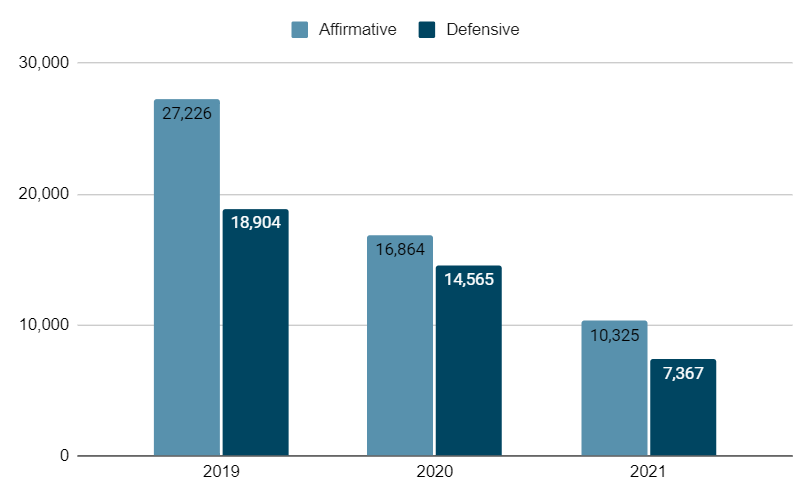
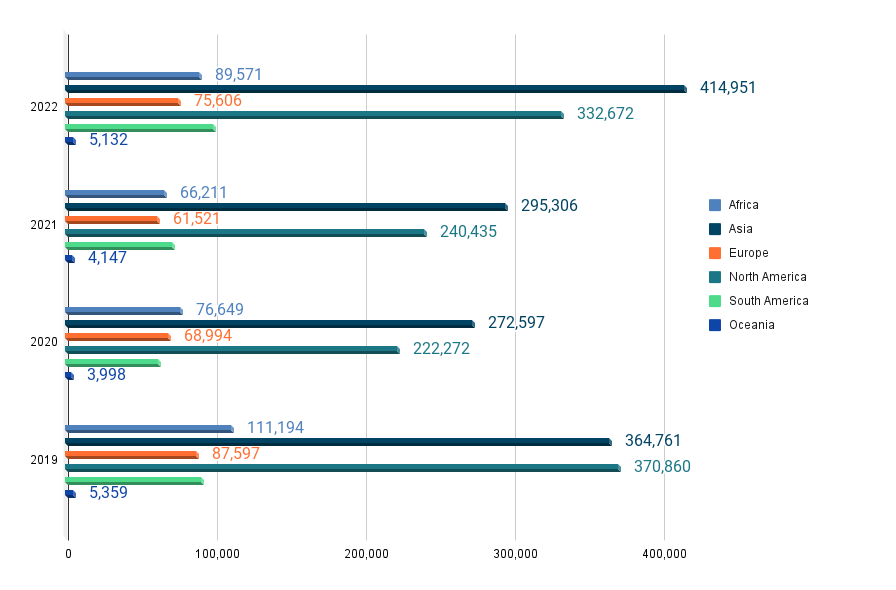
Source: https://www.americanimmigrationcouncil.org/research/asylum-united-states
The concept of asylum within the United States immigration system extends beyond mere laws and regulations; it transcends borders to become a beacon of hope. It is a humanitarian act that provides refuge to those persecuted due to their race, religion, nationality, membership in a specific social group, or political beliefs. In a country where diversity is a fundamental pillar, asylum is a haven for the persecuted.
Asylum policies in the United States are meticulously overseen by the U.S. Department of State and U.S. Citizenship and Immigration Services (USCIS). Within this context, the “Refugees and Asylees Following to Join Their Families” policy has been a priceless resource for individuals seeking a secure haven. However, recent modifications in the process have introduced substantial alterations, directly affecting those yearning for refuge in this land of opportunity. We will thoroughly explore these adjustments and their implications for asylum seekers.
On May 11, 2023, the Department of Homeland Security (DHS) and the Department of Justice (DOJ) issued an update to the Circumvention of Legal Channels Rule (CLP). This rule introduces significant changes to asylum eligibility in the United States, especially for those who cross through the southwest border or adjacent coastal borders. It establishes a presumption of ineligibility for asylum in the case of individuals who cross between ports of entry or present themselves at one without a previously scheduled appointment.
Until October 16, 2023, over 64,100 asylum seekers found refuge in New York City. Each number represents a story of hope and adversity. Additionally, since last spring, an astounding number of 126,700 asylum seekers have arrived in this city seeking a fresh start.
The importance of maintaining continuous support for those seeking asylum and seeking sustainable solutions becomes more evident in the light of these figures. Each story represents a journey, and each number represents a life in search of safety and dignity.
New York has taken a proactive step by establishing the Office of Asylum Seeker Operations (OASO), a clear testament to its commitment to those seeking asylum on American soil. Mayor Eric Adams has further intensified this initiative through additional policies that make a significant difference in the lives of those arriving in the city seeking protection. This response is due to the unprecedented influx of people seeking refuge in New York.
In a gesture of solidarity, the city provides a 60-day notice to families with children seeking asylum in New York City, allowing them to find alternative housing. Social work services have been significantly reinforced to guide these families in exploring other housing options. Additionally, New York will open the Floyd Bennett field in the coming weeks to accommodate families with children in a semi-congregated environment.
Shelters designated for asylum seekers in the United States face serious capacity challenges. Immigrants seeking protection from within the country find themselves immersed in a complex maze of regulations and immigration procedures, facing numerous obstacles in their transition to life in the U.S.
One of the immediate challenges lies in the need for more legal counsel, leaving asylum seekers without the necessary support that could make a difference in their process. Let’s work together on your application to achieve your immigration goals. Contact us today to schedule a consultation with our experienced asylum attorneys in New York at 1-(212)-729-5720.
Regarding the processing of work permits, the timeline varies for asylum seekers. According to USCIS data, those who have filed for asylum and are awaiting a decision can apply for Employment Authorization Documents (EAD) after 150 days have passed since they submitted their asylum case. Currently, the average processing time for Form I-765, for those with pending asylum applications, is approximately 1.5 months.
Furthermore, in the case of denied applications, while specific data for 2023 is not available, it is crucial to note that those who have engaged in acts of persecution or aided others in doing so will face an automatic denial of their asylum application.
Asylum policies continue to adapt to the shifting dynamics of global migration. Staying updated on these changes is essential for asylum seekers and the organizations supporting them. The United States government and local authorities, like the City of New York, work tirelessly to address this complex issue while safeguarding the rights and well-being of asylum seekers.
The CLP rule, while establishing a presumption of ineligibility, also recognizes that exceptional circumstances exist. In these situations, humanity prevails. The following conditions can rebut the presumption of ineligibility:
- If the individual previously received authorization to present themselves at the border through an approved DHS parole process
- If the individual presented themselves at a port of entry at the scheduled time or can prove they could not use the CBP One app. Additionally, if the individual or a family member has received a final denial of asylum in a transit country, this can also change their status
- In cases of acute medical emergencies, imminent and extreme threats to life or safety (such as rape, kidnapping, torture, or murder), or if they meet the definition of a “victim of severe human trafficking” as per 8 CFR 214.11 (or if a family member meets this definition)
- For those facing exceptional circumstances or unaccompanied minors, there are also possibilities for exemption.
The CLP rule is designed to be in effect 24 months after its effective date. Although it is currently suspended due to a judicial order, USCIS continues to apply the CLP rule in credible fear processing while the suspension remains in effect.
been awarded asylum.
- Travel permission: Special guidelines apply to asylees when they leave the country. If you plan on leaving the country, you must first obtain approval by acquiring a refugee travel document. Without it, the asylum status may be at risk.
- Change of address: You cannot change your address without letting the USCIS know. Within 10 days of your move, you must notify USCIS of your new location. There are different methods to do this, the USCIS page has the instructions.
Key Facts About Political Asylum
- You need to pass the “credible fear test” to get asylum in the United States. In order to do this, you must show proof of the persecution or potential persecution in your home country. In addition to your file, an immigration authority will interview you before making a decision.
- If your application is denied, the case will be referred to Immigration Court before a judge who will hear your testimony and make an independent decision. If your asylum is denied again, you can still appeal to the BIA, U.S. Court of Appeals and U.S. Supreme Court.
- If you are granted asylum in the US, you will have to request a travel document (Form I-131) before going abroad to guarantee your ability to reenter. If the place you intend to visit is your home country, it may hurt your asylum status if it is determined that you lied about the persecution risk.

Represents individuals
and businesses throughout the Tri-State Area

Attorneys and staff speak many foreign languages
including Spanish and Russian
Who can get granted asylum in the U.S.?
People who are unable or unwilling to return home due to persecution or a legitimate fear of persecution due to their race, religion, nationality, participation in a particular social group, or political opinion may be granted asylum. Whether legally or unlawfully present in the United States, a person may apply for asylum or refugee status if they are outside the country.
How long does it take to get a decision for asylum in the United States?
Your asylum application will likely get a response from the USCIS within 180 days. You must go to one of the eight asylum offices within this time for an interview and to have your fingerprints taken.
Can asylum seekers bring their families to the United States?
Yes. Your spouse and any minor children who are not married may be eligible for derivative asylum status. If they are already in the country, you can request that their inclusion in your asylum decision be considered. If you are granted refuge, you can also apply to have them admitted to the country.
What if I did not apply for asylum within one year of arriving in the United States?
If you can demonstrate that you were unable to file within the one year due to exceptional circumstances, you may still submit your application after one year of arriving in the U.S. and be eligible for an exception to the one year deadline (changed or extraordinary circumstances).
Can children under the age of 18 (minors) apply for asylum by themselves?
Yes. If you are under 18 years old and want to have your own case distinct from your parents or spouse, you can petition for asylum as a minor. If you are under 18 years old, lack a parent or legal guardian in the US who can provide care or custody, or were separated from your parent or legal guardian, you may also seek asylum as an unaccompanied minor.